Signal processing
Cedalion’s signal processing modules cover the full preprocessing pipeline for continuous-wave fNIRS data. A typical workflow proceeds in this order:
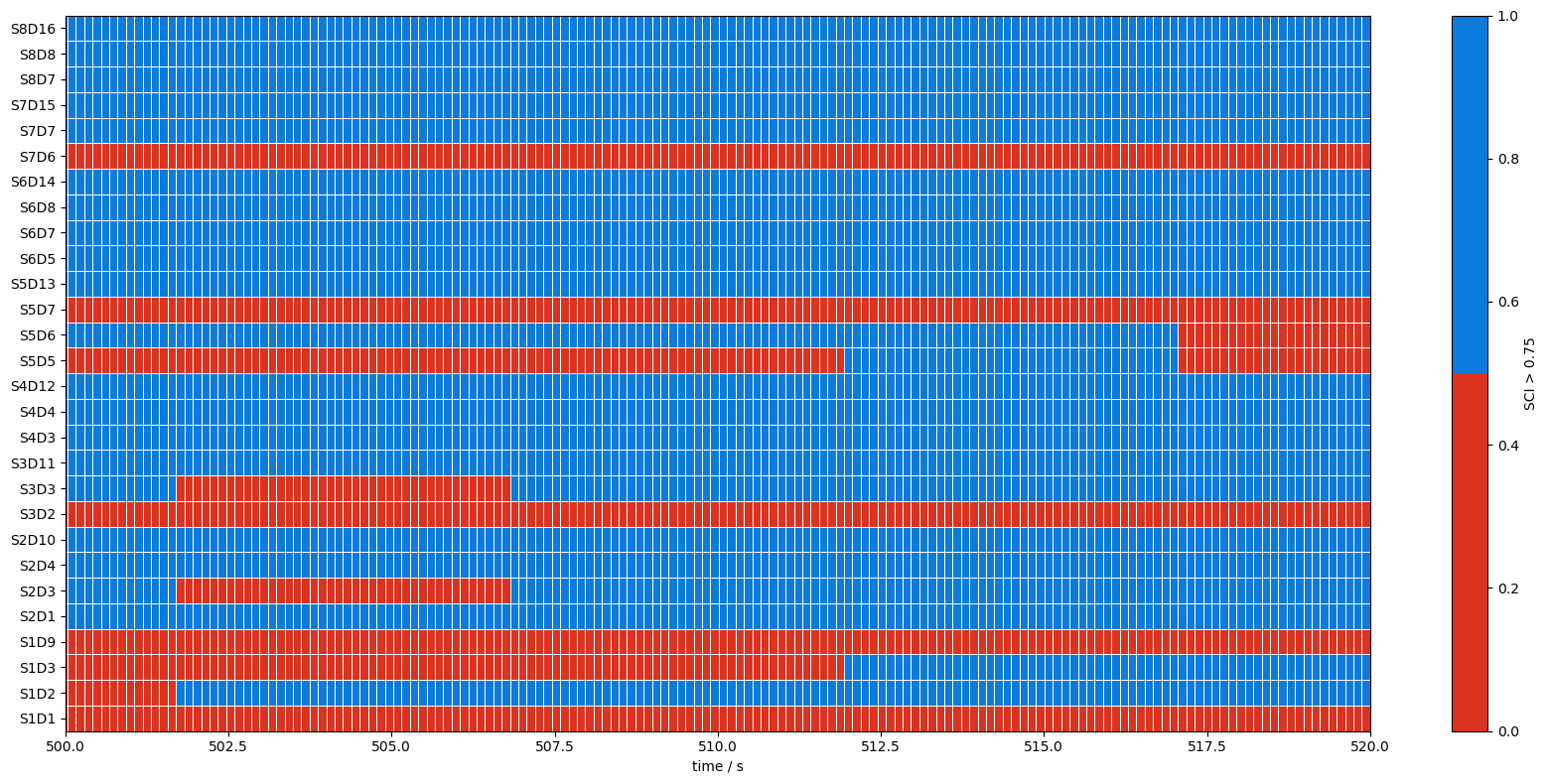
Quality assessment (
cedalion.sigproc.quality) — compute channel-level quality metrics (scalp coupling index, SNR, peak-power ratio), build boolean masks, and prune channels that fail quality thresholds.CW fNIRS conversions (
cedalion.nirs.cw) — convert raw light intensities to log-ratio optical density changes — apply the modified Beer-Lambert law to obtain HbO and HbR concentration changes, etc. Note that (cedalion.nirs.fd) and (cedalion.nirs.td) also exist but are currently limited to reading/writing SNIRF files.Motion artefact correction (
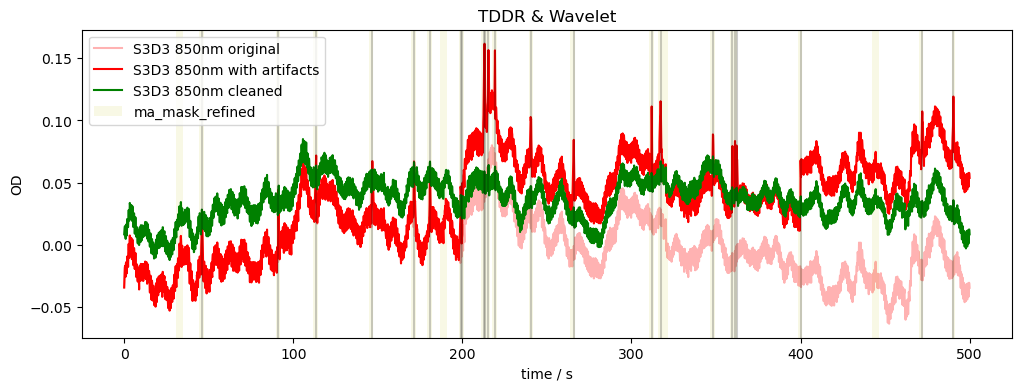
cedalion.sigproc.motion) — detect and correct motion-induced spikes and baseline shifts using methods such as TDDR, CBSI, and wavelet-based artefact rejection.Temporal filtering (
cedalion.sigproc.frequency) — apply band-pass or low-pass filters to remove cardiac noise, high-frequency interference, and slow drifts.Physiological signal extraction (
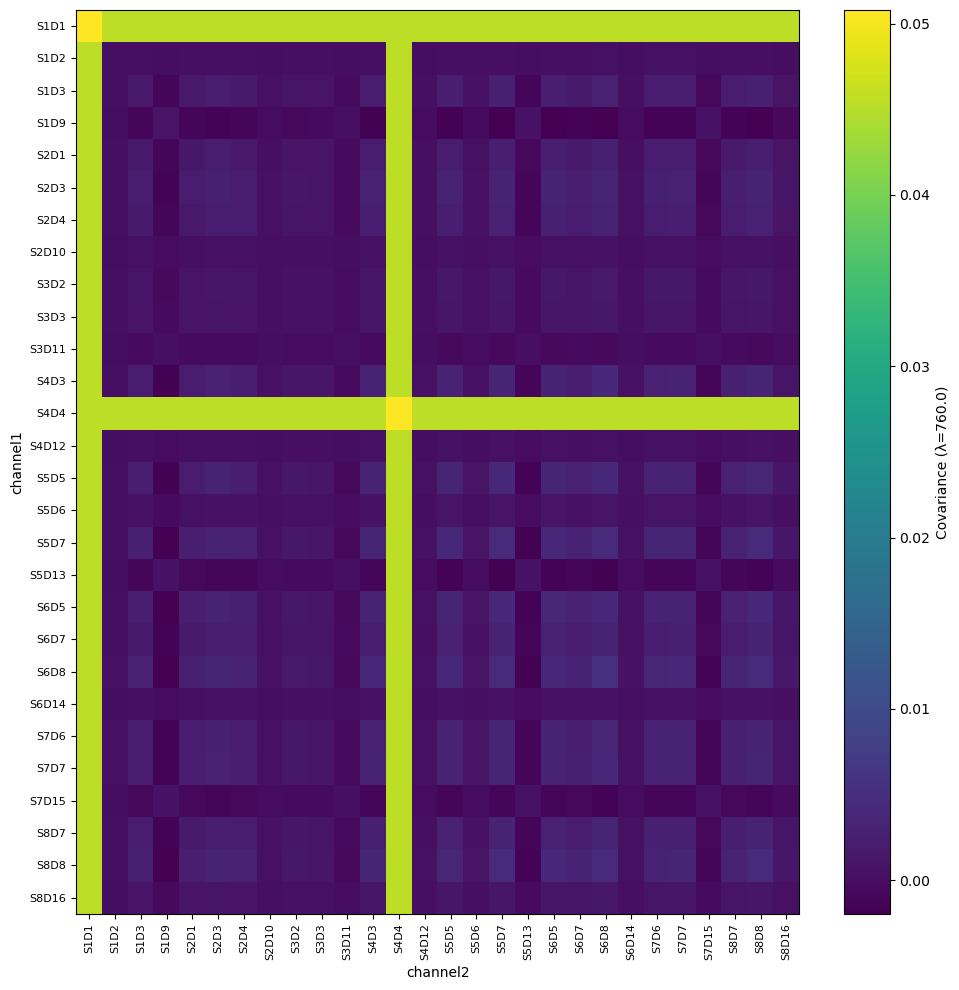
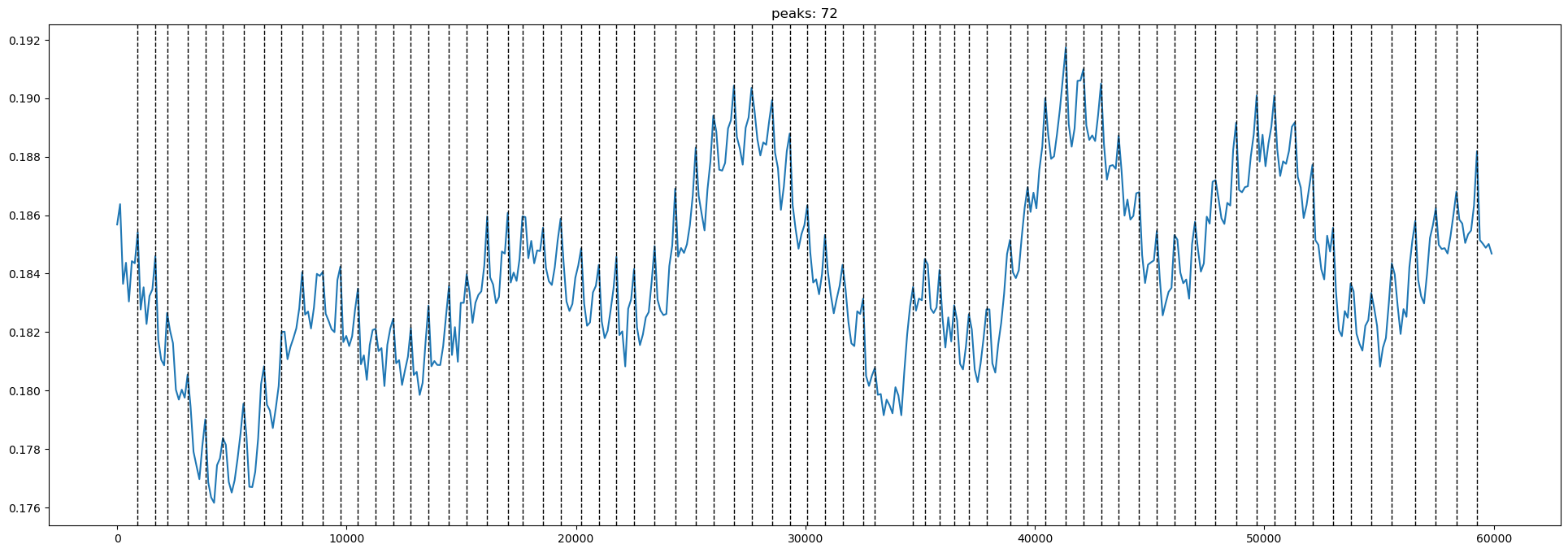
cedalion.sigproc.physio) — functions for regression or advanced analysis of systemic physiological fluctuations (cardiac, respiratory, vasomotor).Epoching (
cedalion.sigproc.epochs) — extract stimulus-locked trial segments from the continuous timeseries.
The cedalion.sigproc.tasks module provides high-level @task-decorated wrappers
for each step that operate directly on a Recording object.
Functionality to process NIRS data. |
|
Functionality for continous wave NIRS. |
|
Functionality for frequency-domain NIRS. |
|
Functionality for time-domain NIRS. |
|
Extract epochs from a time series based on stimulus events. |
|
Frequency-related signal processing methods. |
|
Various algorithms for motion correction of fNIRS data. |
|
Signal quality metrics and channel pruning functionality. |
|
Algorithms for handling physiogical components in fNIRS data. |