Physiology
fNIRS signals contain physiological fluctuations from sources unrelated to neural activity: cardiac pulsations (~1 Hz), respiration (~0.2–0.4 Hz), and slow vasomotor oscillations (Mayer waves, ~0.1 Hz). These fluctuations can be larger than the haemodynamic response of interest and must be addressed in preprocessing.
A complementary perspective, treats these signals not merely as noise to be suppressed, but as informative measurements in their own right. Because fNIRS probes tissue optics directly, it captures systemic haemodynamic changes alongside neural responses. In naturalistic or mobile recordings — where participants move, speak, and experience varying levels of stress or cognitive load — the cardiac, respiratory, and vasomotor signals recorded alongside brain activity carry information about autonomic regulation, arousal, and bodily state.
This reframes the preprocessing goal: rather than blindly filtering or subtracting physiological fluctuations, the preferred approach is to model them explicitly — for example by including short-separation channels or peripheral physiological regressors in the GLM, or by using decomposition methods that separate neural from systemic components. When modelled correctly, the systemic signals become additional outcome measures that enrich the analysis rather than distortions to be discarded.
|
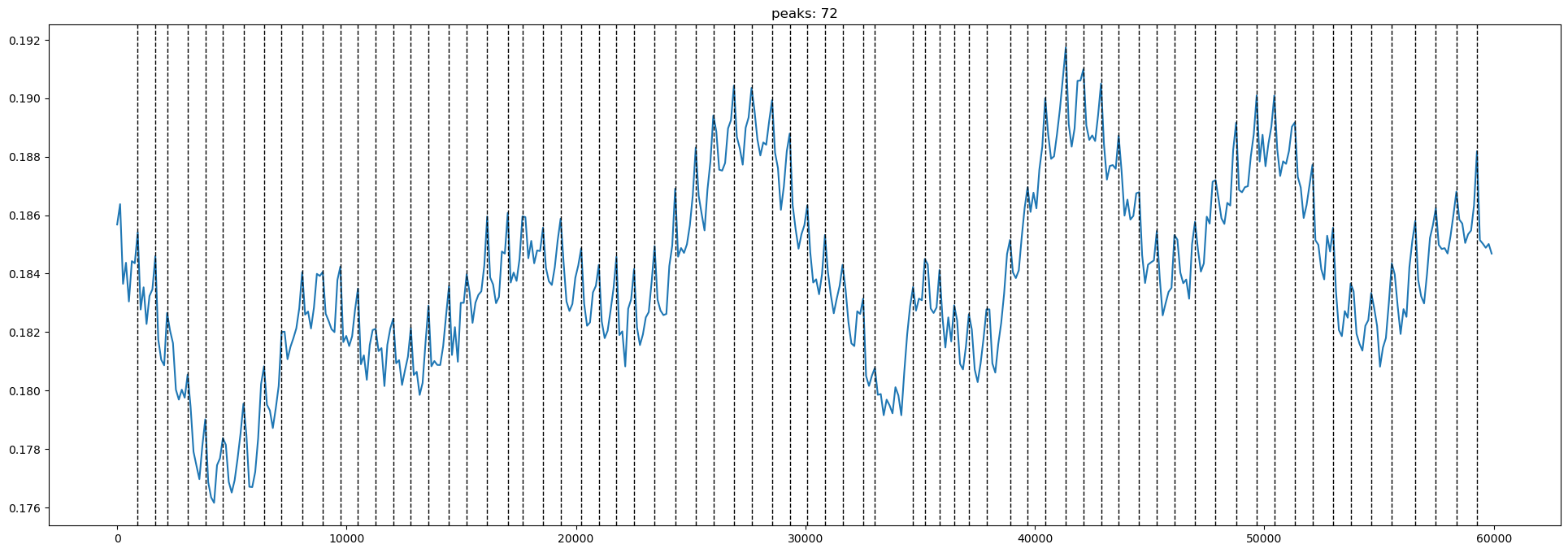
Automatic Multiscale Peak Detection (AMPD) algorithm. |
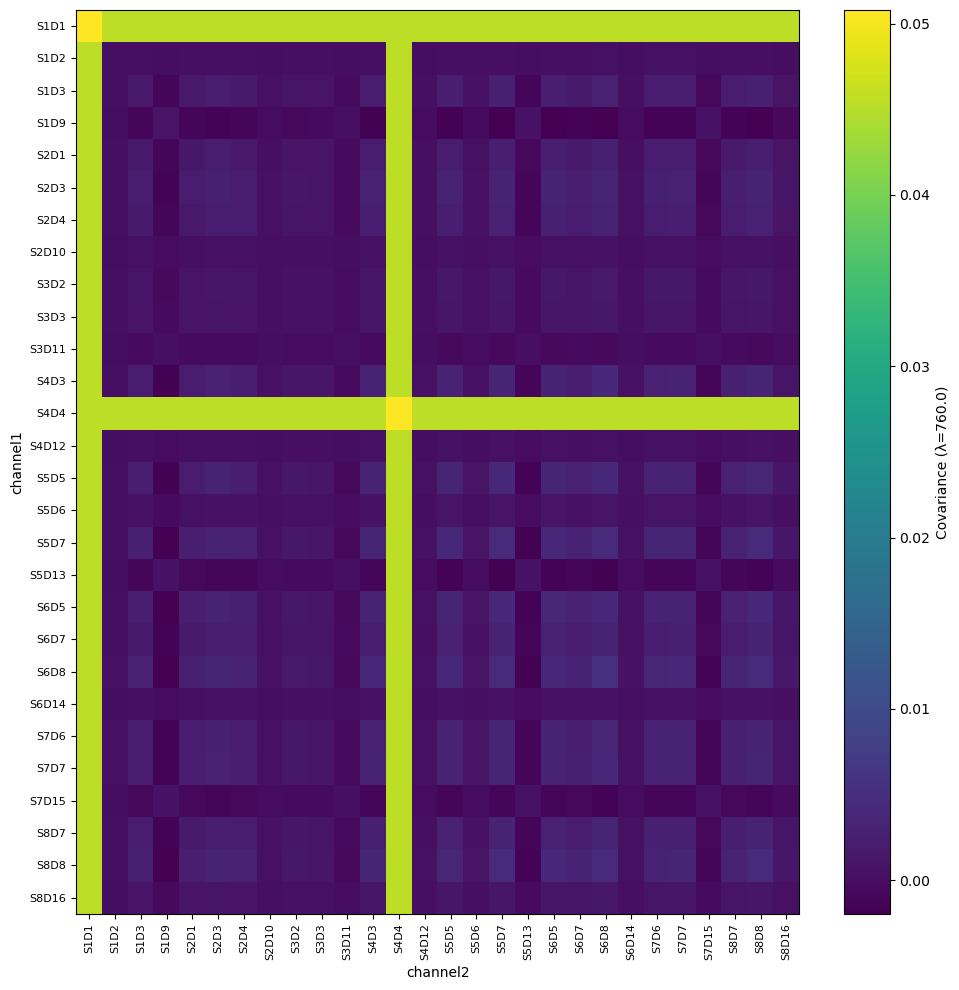
Remove global (physiological) components from a time series. |